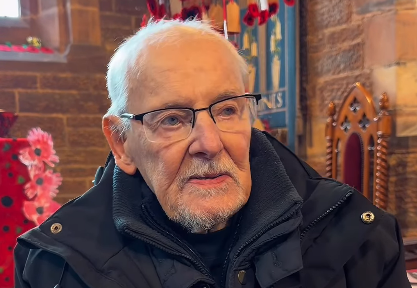
For John, remembrance is about more than the names engraved on a war memorial. It is about the lives behind them, the sacrifices made by those who served, and the stories that might otherwise be lost to time.
Having been part of St Mary’s Church in West Bank, Widnes, since the age of 11, John has dedicated much of his life to the church and its community. Over the years, he has served in numerous roles, including churchwarden, treasurer, youth worker and Boys’ Brigade leader. Now, he has taken on another important project: uncovering the stories of local people who served during the First and Second World Wars.
Concerned that the stories behind the names on the church’s memorials were at risk of being forgotten, John began researching the individuals remembered there, as well as others from the wider West Bank community who contributed to the war effort.
Using resources including Widnes Library, the Commonwealth War Graves Commission, military records, Ancestry and the local historical society, he pieced together information about the people behind the names. Along the way, local residents and family members also came forward with photographs, newspaper cuttings and personal records, helping to bring their stories to life.
“It seemed pretty sad that, while we were doing this massive poppy project for all the world to see, our own list of local people was almost neglected. We needed to capture this, and we did.”
Importantly, John’s research was not limited to those who lost their lives. He was equally determined to recognise those who survived, believing their service and sacrifices deserved to be remembered too.
One example is Donald Bates, who served as a chief cook in the Royal Navy during the Second World War. Following the D-Day landings, he was stationed in Boulogne, where he helped demonstrate how to make bread without yeast. Although he survived the war, his story might easily have been overlooked in a project focused solely on those who died.
For John, these discoveries are what make the research so worthwhile. Some individuals had detailed histories attached to their names, while others were much harder to trace. In some cases, family members were able to provide a wealth of information that might otherwise have been lost.
He is particularly conscious of the importance of preserving these memories while they can still be found.
The research has also highlighted the impact of both World Wars on a relatively small community. John discovered people of different ages and backgrounds, from young sailors to older servicemen, whose lives were connected to West Bank and St Mary’s.
He hopes that documenting their stories will help future generations understand the sacrifices made by those who came before them, while keeping an important part of the area’s history alive.
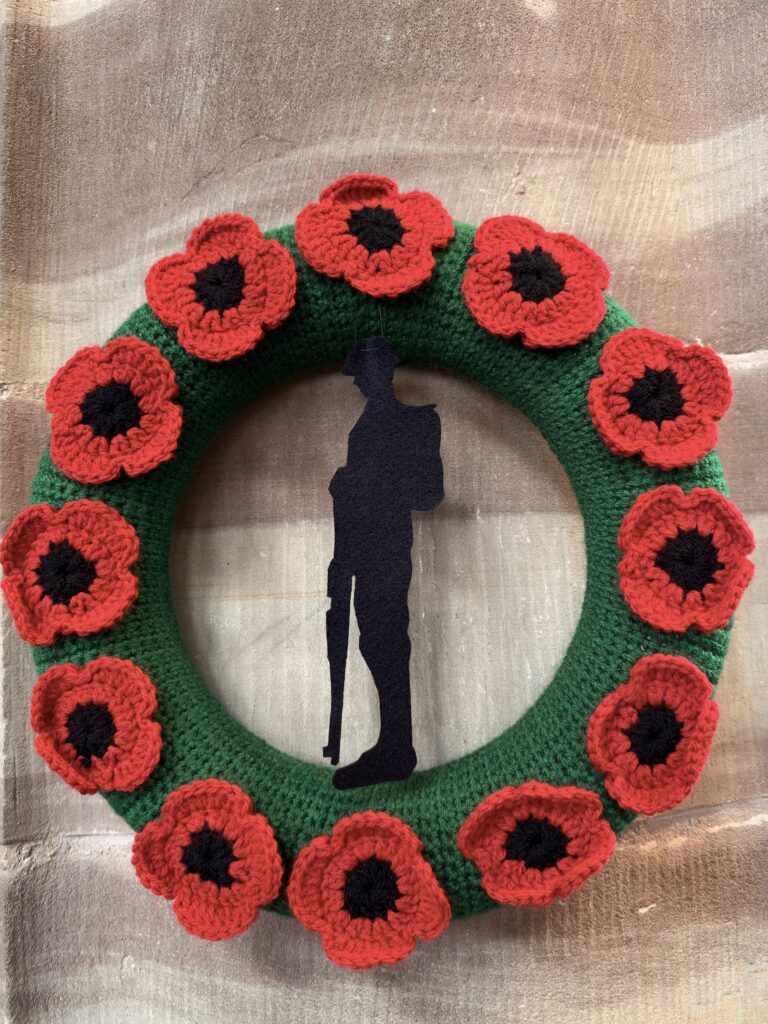
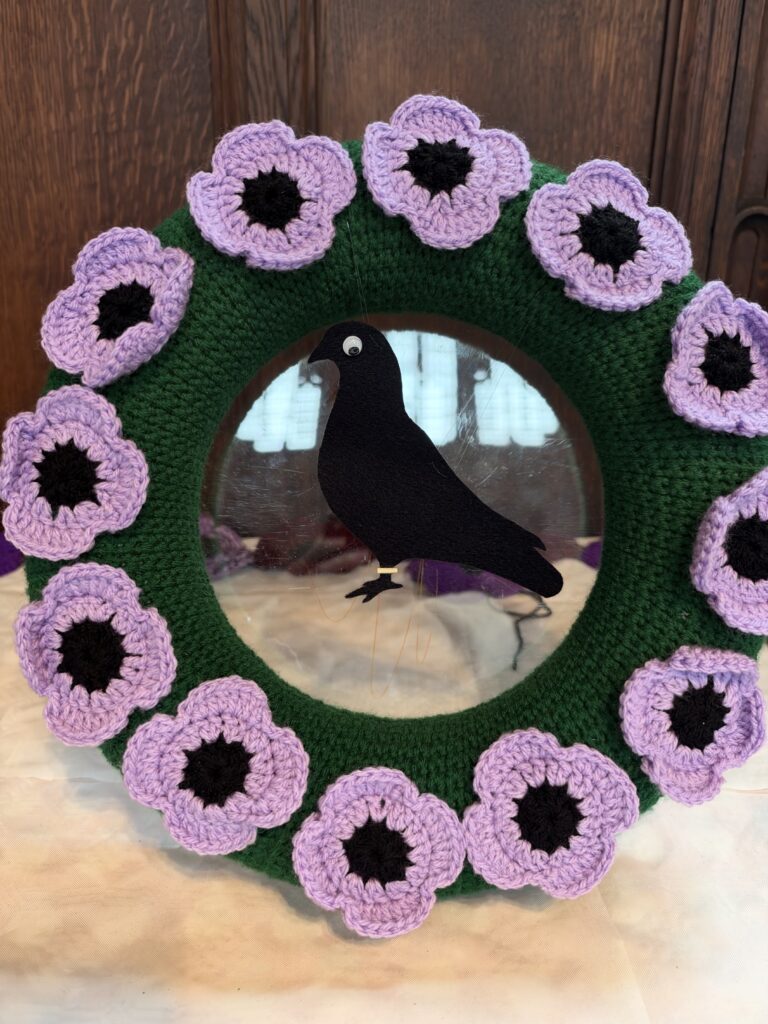
John’s work is another expression of the close-knit community that has long surrounded St Mary’s. Alongside the historical research, local people have contributed their time and skills to the church’s wider remembrance project, including sewing and crocheting thousands of poppies for its striking Poppy Drop.
For John, the response has been encouraging. He hopes the project will bring more people through the church doors, helping them discover not only its history but also the welcoming community that continues to make it a special place. Proceeds from the book will be used to restore the memorial plaques in the church.
Remembrance Woven into the Community
While John’s research has helped preserve the stories of those who served, the wider remembrance project has brought hundreds of people together through a shared act of creativity and community spirit.
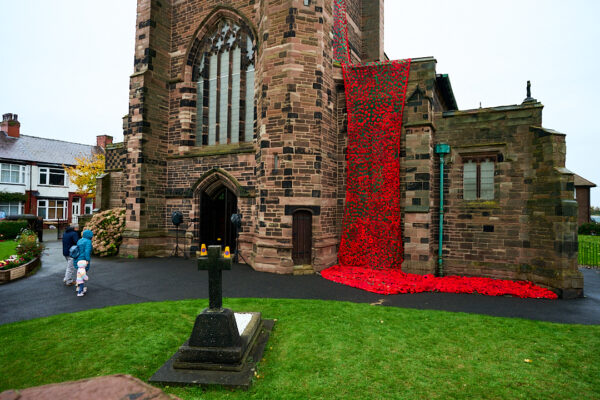
St Mary’s recently unveiled its spectacular 131ft cascade of more than 15,000 handmade poppies, created by people from across Widnes and beyond. From local schools, churches and community groups to individual contributors overseas, the project has been made possible by countless hours of knitting, crocheting, sewing and volunteering.
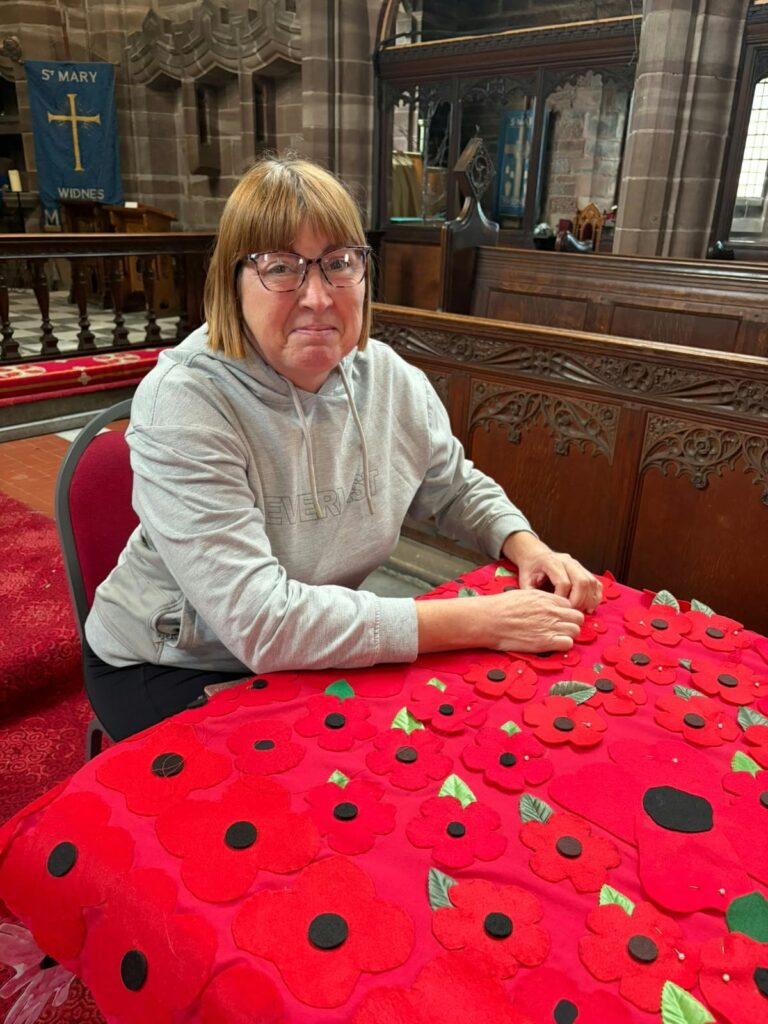
One of those volunteers is Loraine Middlehurst, who began getting involved in November last year. Having helped prepare the poppies and attach them to the altar cloth, she has enjoyed seeing the project grow from an idea into a remarkable community tribute.
“It’s been a lot of work, but it’s been great for the community and people far and wide have been donating poppies.”
For Loraine, the friendships made along the way have been just as meaningful as the finished display. “The amount of friends I’ve made is unbelievable. They’re all so welcoming and friendly.”
The project has even reached across the Atlantic, with handmade poppies sent from Canada, demonstrating how a shared act of remembrance can connect people across generations and communities.
People can also continue to support St Mary’s through its ‘Adopt a Poppy’ appeal. For a £5 donation, supporters can receive a handmade poppy, with 50 per cent of proceeds going to the Royal British Legion to support serving and ex-serving Armed Forces personnel, and the remainder helping St Mary’s continue its work at the heart of West Bank.