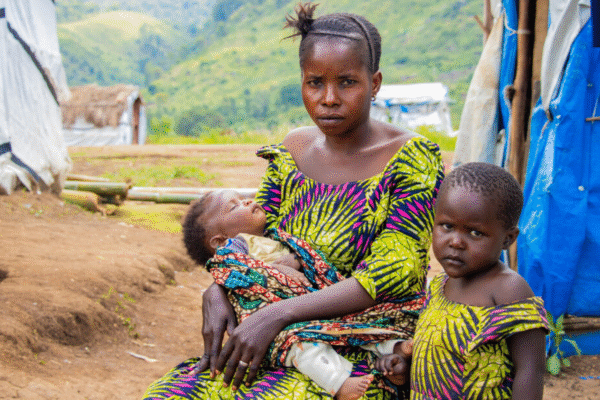
As the festivities of Christmas time approach, our attention will soon turn to filling our stockings and advent calendars with chocolate, decorating our trees, and buying countless gifts for friends and family. However, all of the products that bring us and our loved ones immense joy could be the direct result of exploitation and modern slavery conditions.
As we spend more time on the high street and online trying to find the perfect gift, it is important that we recognise the supply chains that are deeply imbedded into our Christmas shopping habits. Almost every supply chain in the UK will have an element of exploitation and only 29% of companies in the UK grant total public transparency on the details of their chains. This is a disheartening statistic, but there are certain products that are more likely to have been made in modern slavery conditions than others. For instance, nearly 20% of the world’s global cotton production is linked to forced labour in China. This means that many of the clothes we buy on the high street are likely to be directly linked to enslaved Chinese people, particularly Uyghur Muslims.
We badly need systemic change to the operation of our global economies to truly eradicate modern slavery, but there are still practical ways that you can make a difference to a vulnerable life this Christmas.
Practical Steps you can take this Christmas
- Shop Slavery Free
While it is very difficult to know whether the products we buy are part of a slave labour supply chain, there are steps we can take! When Christmas shopping, look out for certifiers such as FAIRTRADE which show a commitment to fair working conditions. Check out a company’s statement on modern slavery before you buy their product. You can also see how the company is rated by the Business & Human Rights Resource Centre who report on over 20,000 companies, detailing whether they have received allegations of human rights abuse and labour conditions violations.
- Be aware of Forced Begging
Modern Slavery is not a far away issue, it is also happening in plain sight on our high streets. Christmas is unfortunately one of the most lucrative times for gangs to profit from people they force to beg and then reap the rewards from. Victims of forced begging are often vulnerable adults and children.
Be aware of the indicators of forced begging:
1. Is there evidence that beggars are being transported to and from their pitch?
2. Are there signs of physical violence?
3. Are there no obvious signs of rough sleeping, i.e. no possessions or sleeping paraphernalia?
4. Are there multiple beggars in an area with similar looking signs, similar handwriting and wording?
5. Are there a group of beggars who are moved to different locations by day but return to the same place by night?
If you see these signs and suspect that someone is a victim of forced begging you can call the Modern Slavery and Exploitation helpline on 08000 121 700, contact Crimestoppers, or call 101 to report local non-urgent suspicious activity. In an emergency ring 999.
Ø Spot the Signs at your Church
At Christmas time we may see more vulnerable people passing through our church doors seeking respite from the harsh winter months and refuge from food poverty. If your church runs a food bank or a warm bank you may encounter victims of modern slavery. Be vigilant to the identifying signs of modern slavery which you can find here. You could also complete the Church of England’s e-learning course on modern slavery.
Together, we can give the greatest gift of all this Christmas and support victims of modern slavery internationally, nationally, and in our local areas.
For more information on how you can get involved in the fight against modern slavery in the Diocese of Liverpool, email simone.dawes@liverpool.anglican.org