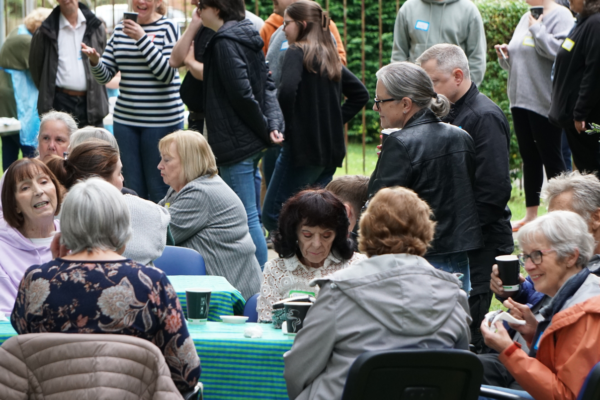
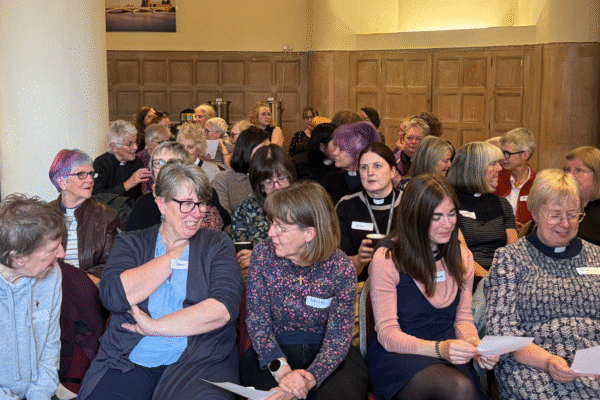
Clergy from the two first Larger Single Parishes in Liverpool Diocese reflect on this new kind of ministry and the impact it is having on their well-being and capacity for mission.
Before becoming part of a Larger Single Parish (LSP), many of us were already feeling the strain beneath the surface of ministry. We loved our calling, yet clergy wellbeing across the Church of England was under significant pressure – and our own experience matched the national picture. Recent research from the Church of England’s Living Ministry project shows that nationally 40% of clergy report feeling isolated, and nearly 30% show symptoms of depression.1 Burnout remains common, with finances, church buildings, and administrative demands among the biggest sources of discouragement, often pulling clergy away from their sense of vocation.
“My training incumbent left… and I was on my own, and I didn’t really have any support. Dealing with basic tasks – leaks, alarms, funeral admin – felt overwhelming.” Those words from Rev Jacque Ayton echo the stories many of us carried quietly for years.
So, what has changed now that we minister in a Larger Single Parish?
Being Known, Heard, and Held
One of the most profound shifts has been emotional and relational. We are no longer trying to hold everything together by ourselves. Weekly gatherings with the Clergy Leadership Team give space to bring not only tasks, but the real weight of ministry – the discernment, the doubts, the pastoral complexity, the moments that keep us awake at night.
In a national context strong relational networks have been identified as one of the most important predictors of clergy wellbeing, and so these simple, regular meetings are transformative.2 As Rev Kate Johnston, a curate in Christ Our Hope Liverpool, reflects: “When you’re doing things for the first time… it’s a really supportive environment,” and those weekly rhythms help us “gain a deeper level of trust.”
Rev Claire Aldrige shares “moving to my first incumbency in a small, faltering, urban poor parish setting would have been impossible without the wider support of Christ Our Hope Liverpool and the Clergy Leadership Team. To go from working (in the NHS) always having others around to share ideas and concerns, to working alone in a parish that doesn’t have even the basic officers of the church and very few volunteers has been a huge learning curve. Add to that the massive step from curacy into incumbency and this parish’s unique financial, interpersonal and historic difficulties it would have been a recipe for failure and burnout without the wider Clergy Leadership Team. I especially respect the integrity of members of the team who have no personal need of it. Those who have good volunteer or staff teams still being prepared to build up a team where we can all flourish fully, speaks to the values of God’s kingdom and sets Christ Our Hope Liverpool apart from other workplace teams I’ve been in.”
Shared Administrative Support
The Living Ministry report consistently highlights administrative burden as one of the top stressors for clergy – often “pulling clergy away from their core calling.” In a Larger Single Parish, that weight shifts. Support Services now takes on tasks that once swallowed hours: safer recruitment, compliance, insurance, diocesan returns, building checks, even funeral administration. An example shared by Jacque is simpler and better safeguarding processes, “Support Services are absolutely brilliant. A huge thing for me is the safer recruitment process, which is amazing. All I have to do is provide a role description, and then everything is sorted. I don’t have to do any references or anything. All done.”
Being released from these responsibilities isn’t simply about gaining time – it’s about regaining energy, vocation, and joy. As Rev Emma Williams puts it: “It’s lovely not having to worry so much about the admin, even the little things like fees to the Diocese are now covered by Support Services”. The difference this makes to our wellbeing is not small.
When Lay Officers Flourish, Clergy Flourish Too
Clergy wellbeing is closely tied to the wellbeing of lay leaders. Wardens, treasurers, and safeguarding officers can feel isolated and overwhelmed – pressures which inevitably fall back on clergy. But in our Larger Single Parishes, officers meet in teams, share learning, and draw strength from knowing they carry responsibilities together rather than alone.
Rev Rachel Shuttleworth has seen this change in St Helens: “Wardens and safeguarding officers feel revitalised… excited about their role… supported.”
When lay leaders are well-supported, clergy no longer carry the constant vigilance of trying to hold everything together.
Being Pastored Ourselves
Clergy are often the ones providing pastoral care – but in a Larger Single Parish, clergy are pastored too.
Rev Helen Edwards, Team Rector for Christ Our Hope Liverpool, names this as a core part of her calling: “Part of my calling is investing in clergy… I meet with all the clergy one to one… offering support, listening… it’s become so valued across the team.”
These one-to-ones give space to reflect, untangle complex pastoral emotions, and reconnect with who we are called to be. In a national landscape where relational and pastoral support is one of the clearest predictors of clergy flourishing, this investment is lifegiving.
A Healthier Way to Minister
If we could say one thing to clergy discerning their next step, it would be this:
There is another way to minister – one that is sustainable, gentle, hopeful, and rooted in shared care. You don’t have to hold all this alone. And in a Larger Single Parish… you won’t.
Want to find out more about Larger Single Parishes, click here.
[1] living-ministry-wave-5-panel-survey-report-lord-for-the-years.pdf